A genuine cannabis brand strategy goes beyond logos and packaging. It determines how your brand competes, grows, and survives in one of today’s most complex industries.
Most cannabis companies launch with products and hope the brand follows. Today’s cannabis markets demand strategic thinking from day one.
The Strategic Foundation for Cannabis Success
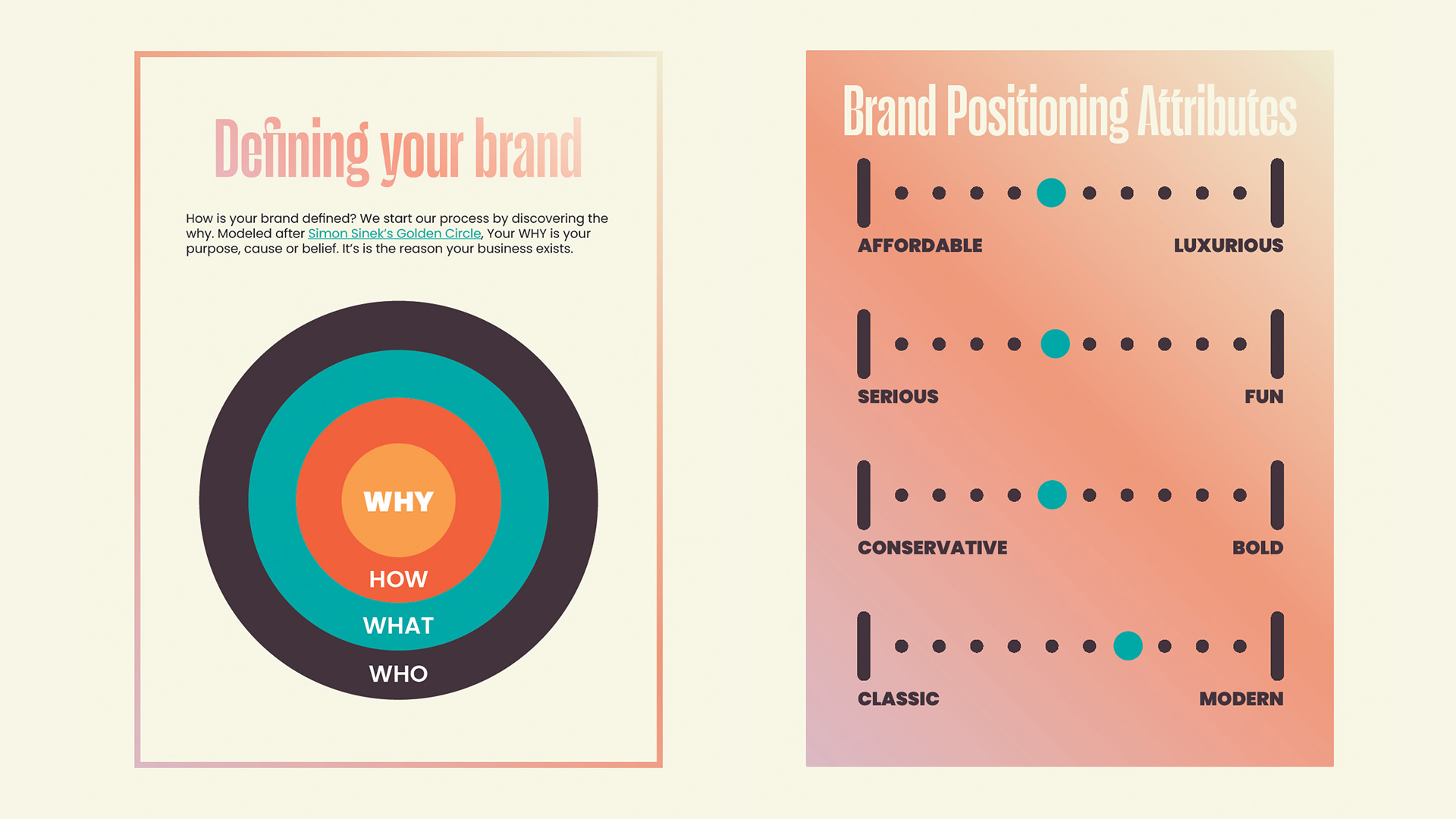
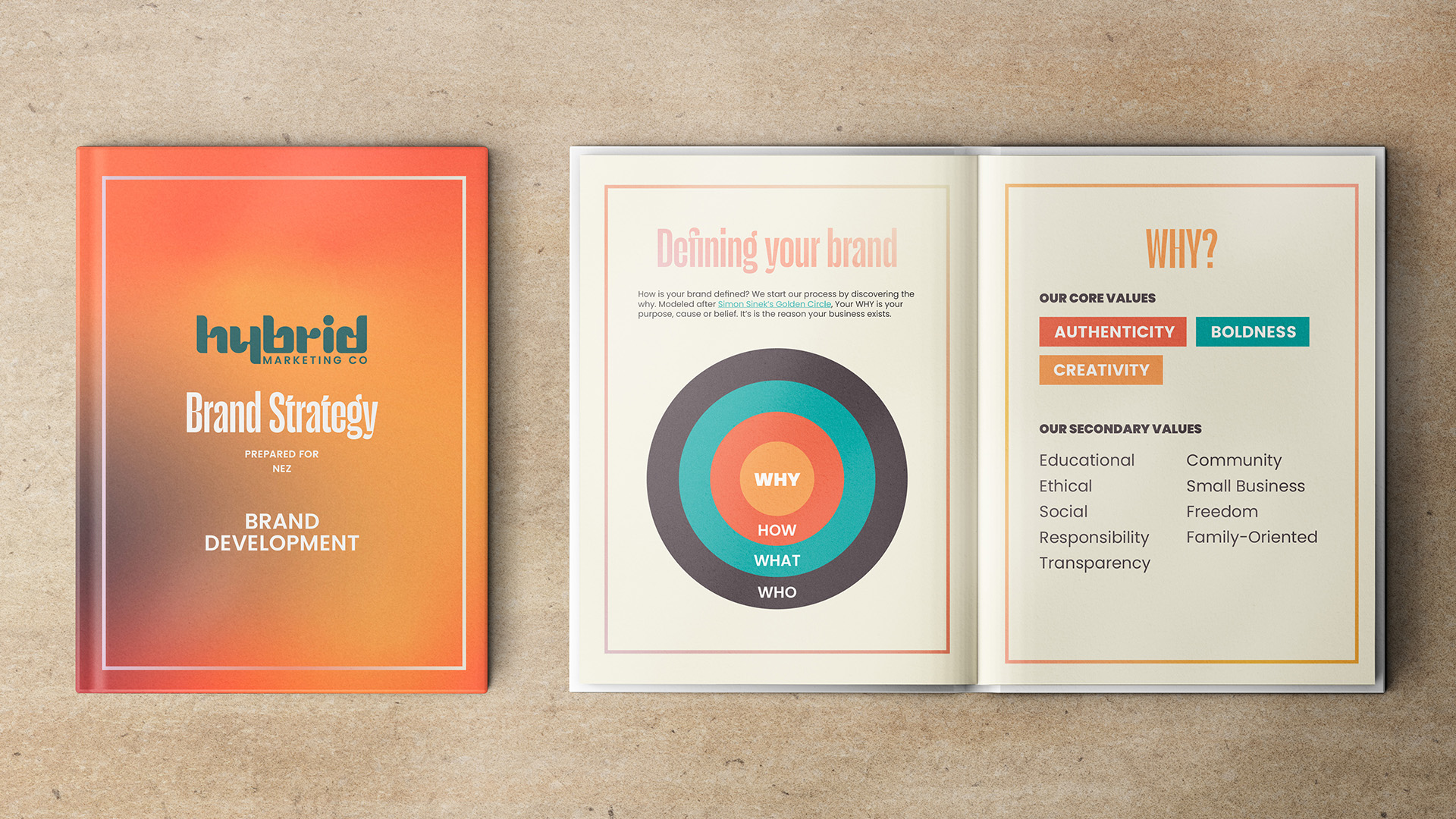
Brand strategy defines who you are, what you stand for, and how you compete before you design marketing campaigns. Cannabis brands face regulatory constraints, market fragmentation, and consumer education challenges that traditional industries never encounter.
Strategic cannabis brands make deliberate decisions about positioning, messaging, and market approach from the start.
Navigating a Complex Market Landscape
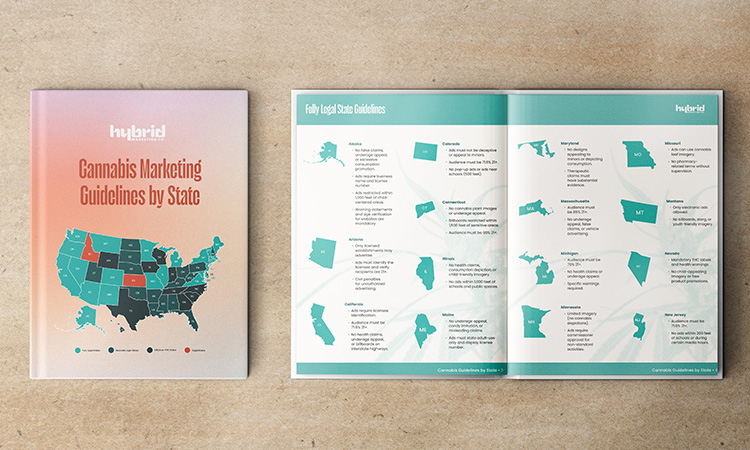
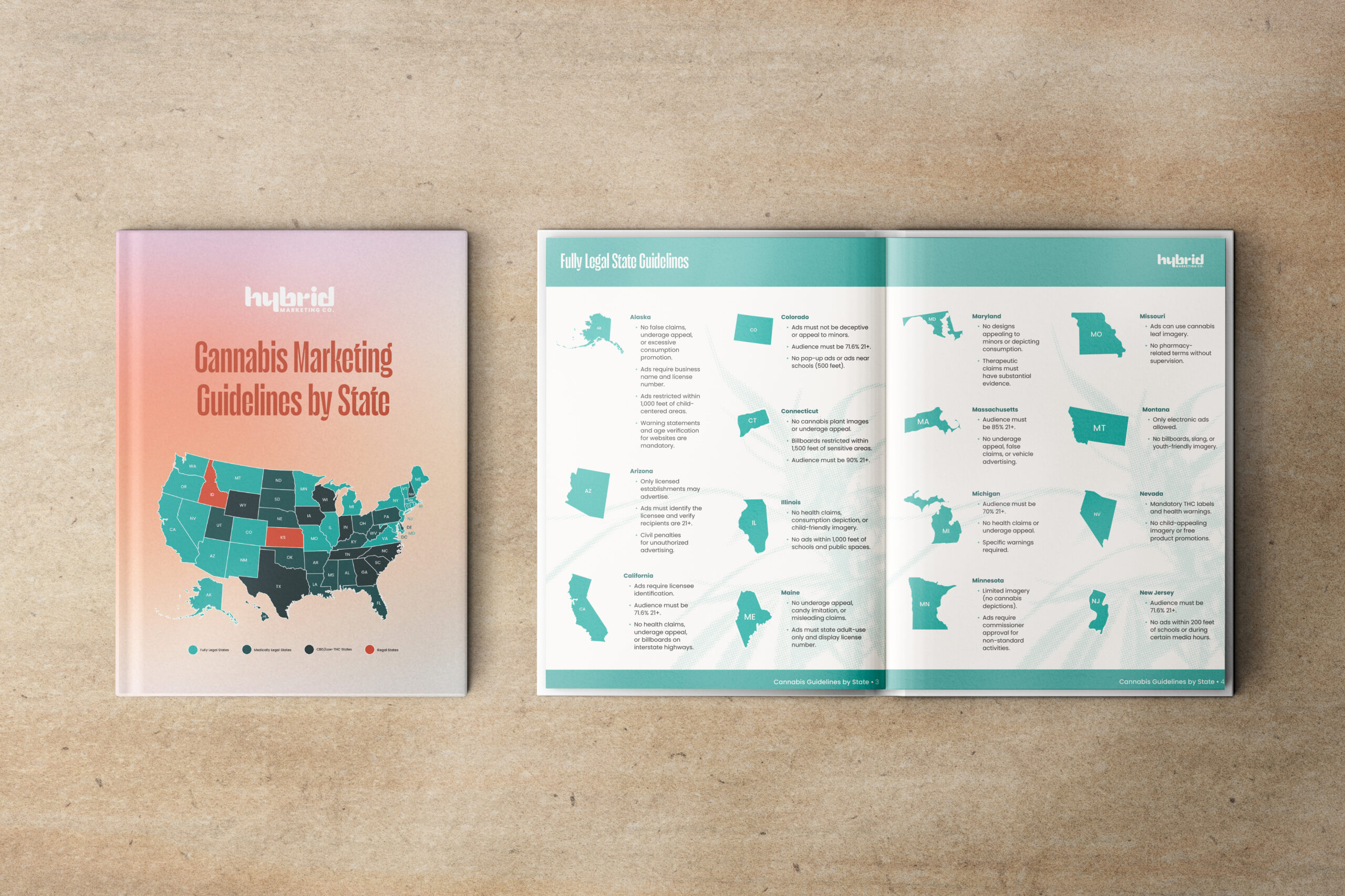
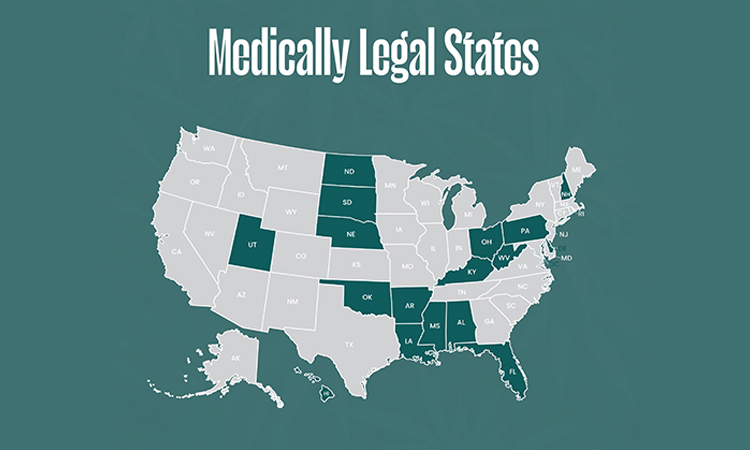
Regulatory constraints limit traditional marketing channels, forcing brands to rely on word-of-mouth, in-store presence, and organic digital reach.
Market fragmentation, with diverse consumer needs, means that medical patients, recreational consumers, and wellness seekers require different messaging strategies.
As markets mature, increasing competition makes differentiation essential for survival.
Education requirements for consumer understanding mean brands must inform customers while building preference.
Building Your Strategic Foundation
Defining Your Cannabis Market Position
Cannabis consumer segments have distinct motivations and brand expectations. Medical patients prioritize efficacy and consistency. Recreational consumers seek quality and experience. Wellness seekers want natural, premium products.
Competitive positioning requires clear differentiation based on product quality, brand values, or innovation.
Structuring Your Cannabis Brand Portfolio
Master brand strategies work for companies with unified missions. Sub-brand strategies help target different consumer segments with focused messaging.
Cannabis business model alignment with brand strategy ensures your brand supports your revenue goals.
Strategic Brand Personalities for Cannabis
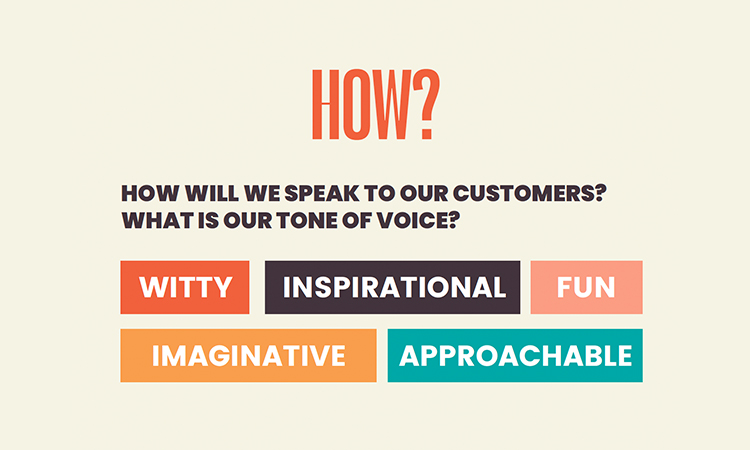
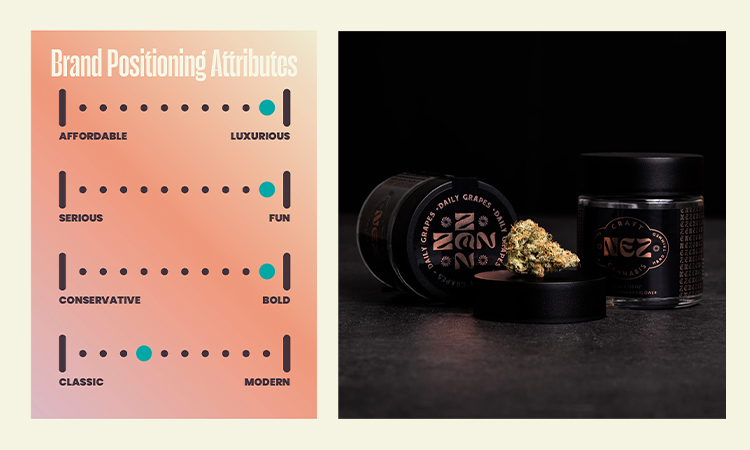
The Medical Authority uses science-backed positioning. The Wellness Guide focuses on integrating holistic health. The Craft Cultivator emphasizes artisanal quality. The Lifestyle Integrator promotes cannabis normalization. The Social Equity Advocate employs a justice-focused approach.
Data-Driven Cannabis Brand Strategy
Target Market Analysis for Cannabis Brands
Cannabis consumer demographics vary significantly by market and product category. Key factors influencing purchase decisions include product quality, price point, and brand reputation.
Cannabis Market Analysis and Positioning
Competitor analysis must consider regulatory restrictions and rapidly changing market conditions. Differentiation strategies focus on product innovation, customer experience, or brand values.
From Strategy to Implementation
Foundation-Building for Cannabis Brands
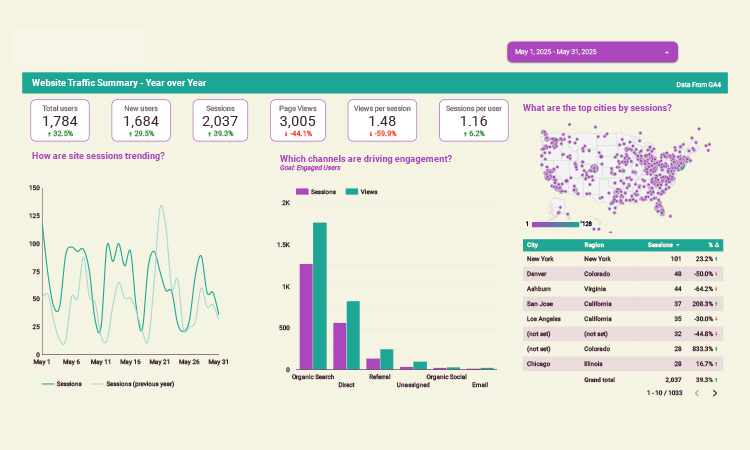
Stakeholder interviews and brand audits provide valuable insights into internal perspectives and strategic opportunities. Market research provides a data-driven foundation for strategic decisions.
Creating Your Cannabis Brand Blueprint
Brand mission, vision, and values provide a strategic framework for all decisions. Target audience personas create detailed profiles of ideal customers.
Bringing Strategy to Life
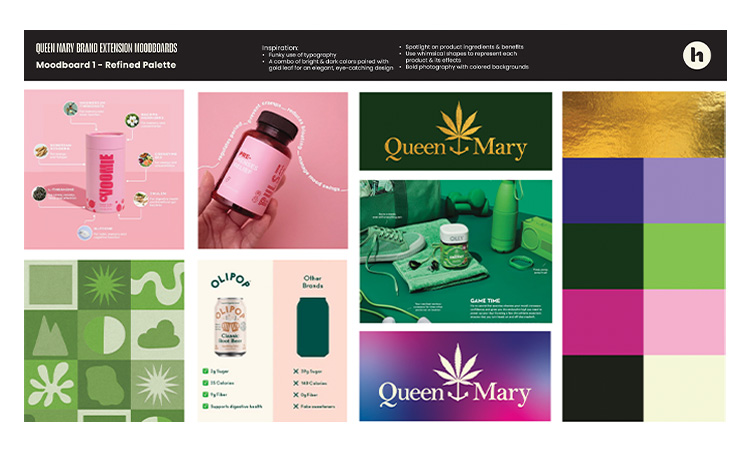
Brand architecture creates a clear structure for product lines. A visual identity strategy translates a brand’s positioning into visual elements that effectively communicate its values.
Aligning Brand with Business Goals
Business Model Brand Implications
Cultivation, manufacturing, and retail strategies require different positioning approaches. Multi-state operators must maintain consistency while adapting to local regulations and laws.
Monetizing Your Cannabis Brand
Premium positioning justifies higher prices through superior quality or unique value propositions. Brand loyalty programs build repeat business and increase customer lifetime value.
Trademark strategy navigates federal restrictions while protecting brand assets. Brand reputation management monitors threats while building positive associations.
Scaling Your Cannabis Brand
Geographic and Category Growth
Multi-state expansion necessitates a thorough market analysis and strict adherence to regulatory compliance. New product category entry leverages existing brand equity.
Future-Proofing Your Cannabis Brand
Market maturation necessitates an evolving brand strategy as consumer knowledge and expectations expand. Innovation planning ensures continued relevance as markets evolve.
Regular brand audits identify opportunities. Consumer feedback integration ensures that the strategy remains relevant to evolving needs.
Your Strategic Cannabis Brand Partner
Deep Market Knowledge and Experience
Regulatory compliance across markets ensures that strategies align with legal requirements. Understanding cannabis consumer behavior enables the development of targeted strategies that drive purchase decisions.
Proven Brand Strategy Framework
A research-driven approach ensures that decisions are based on data rather than assumptions. A collaborative process ensures that the brand strategy aligns with business goals.
End-to-End Brand Strategy Services
Strategy development through implementation provides comprehensive support. Team training ensures effective execution across all functions.
Start Your Strategic Brand Journey
Cannabis brands that succeed in the long term think strategically from the outset. Your cannabis brand strategy determines whether you compete on price or value, whether customers choose you or competitors, and whether you build a business or just move products.